Google Gemini 4 Argon that beat OpenAI Astra, Anthropic Fable 5.1, and Opus 5.5.
New model by Google: Gemini 4 Argon that beat OpenAI Astra, Anthropic Fable 5.1, and Opus 5.5.
1 min read
New model by Google: Gemini 4 Argon that beat OpenAI Astra, Anthropic Fable 5.1, and Opus 5.5.
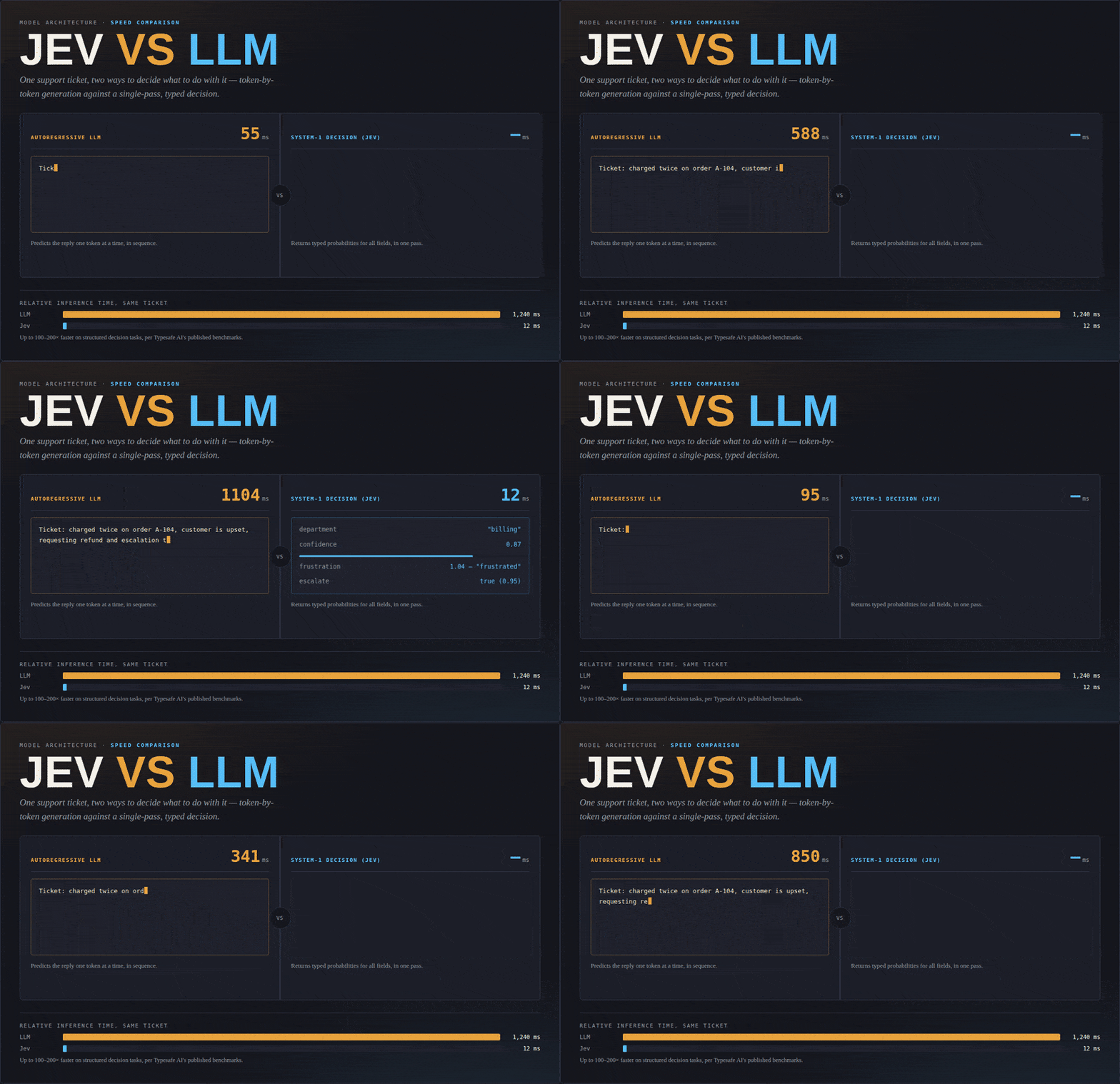
Why TypeSafe AI’s new “System One” model is fast, inexpensive and potentially important—and where its limitations begin.
Anthropic has released Claude Fable 5.1 and Claude Mythos 5.1. They’re the world’s most advanced models for coding and knowledge work—and their research capabilities offer an early glimpse of how AI models will contribute to scientific progress.
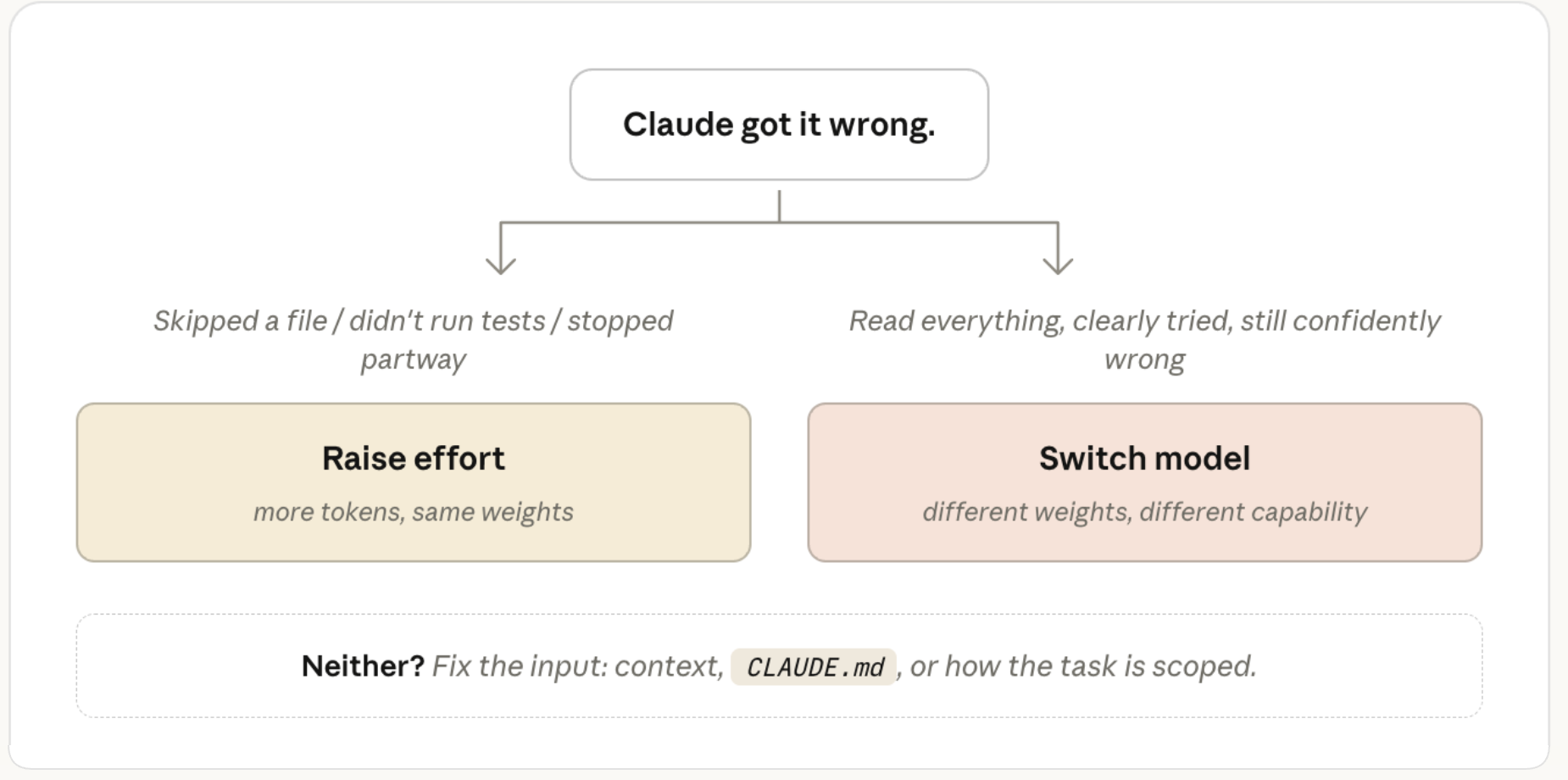
Model selection and effort level solve different problems. The model controls Claude’s underlying capability; the effort level controls how much work Claude does before responding.
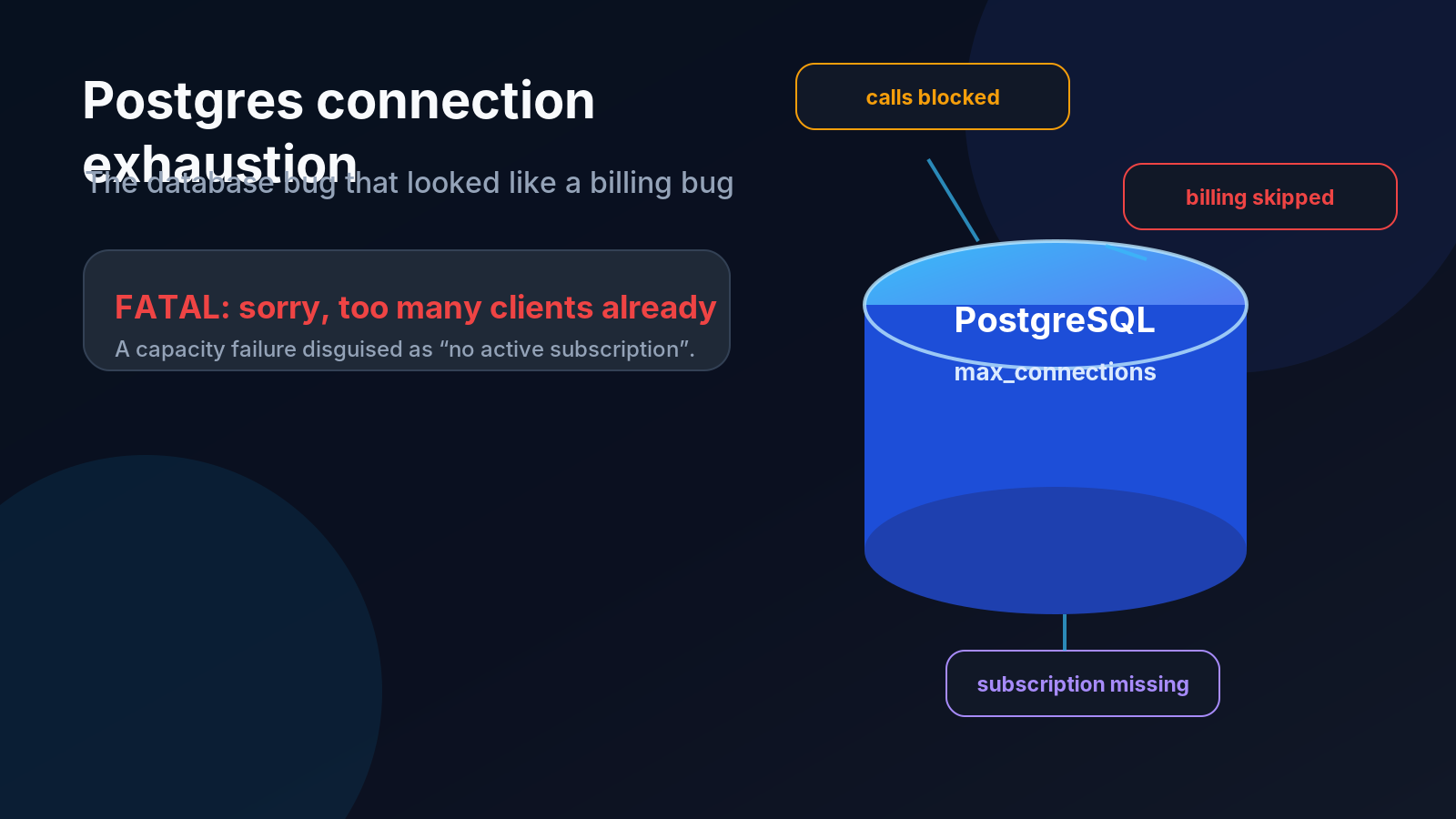
How a database capacity problem masqueraded as a subscription issue, why async Celery workers were quietly leaking connections, and the three-layer fix that stopped it from coming back.

Claude Fable 5 and Claude Mythos 5 were temporarily suspended after the US government applied export controls on June 12, requiring Anthropic to restrict access to foreign nationals. Because Anthropic says it had no reliable way to verify nationality in real time, it suspended both models for all users. Those controls were lifted on June 30, and Fable 5 was restored globally starting July 1 across Claude Platform, Claude.ai, Claude Code, and Claude Cowork.