Google Gemini 4 Argon that beat OpenAI Astra, Anthropic Fable 5.1, and Opus 5.5.
New model by Google: Gemini 4 Argon that beat OpenAI Astra, Anthropic Fable 5.1, and Opus 5.5.

Artificial intelligence now sits at the heart of healthcare diagnostics, financial systems, supply chains, and the software development process itself. In a few short years it has gone from an experimental capability to load-bearing infrastructure—and that shift has rewritten the rules of cybersecurity. The same models that defend networks at machine speed have also become high-value targets, and many of the vulnerabilities they introduce simply did not exist a decade ago.
The core tension: AI is becoming both a sharper defender and a more attractive target at the same time. Organizations that understand this duality will adapt; those that bolt security on as an afterthought will pay for it in breaches.

What makes AI security genuinely different from traditional cybersecurity is that the same technology cuts in three directions at once:
Adversarial attacks feed deliberately crafted inputs to a model to force wrong outputs. A few pixels altered in an image can fool a vision system; subtle rewording can slip past a content filter. The manipulation is usually imperceptible to people but reliably breaks the model.
Here the attack happens before the model is even deployed. By injecting malicious examples into training data, an adversary corrupts the model at its source—every prediction it later makes inherits the flaw. It is especially dangerous because the damage is baked in and hard to detect after the fact.
With large language models now wired into tools, documents, and live data, prompt injection has become one of the most pressing real-world risks. Malicious instructions hidden inside web pages, files, or user input can hijack a model's behavior—exfiltrating data or triggering unintended actions—without ever touching the underlying code. As AI agents gain the ability to act, not just answer, the stakes rise sharply.
By systematically querying a model and studying its responses, a determined attacker can reconstruct an approximation of it. The result is intellectual-property theft that can then be turned back against the organization that built the original.
Deep learning systems can memorize fragments of their training data and leak it. Membership inference, model inversion, and attribute inference all let attackers pull sensitive information back out of a model—a serious concern for anyone handling personal or regulated data.

Key insight: Security cannot be an afterthought in AI development. It has to be designed into the architecture from day one—from data collection through deployment and ongoing monitoring.
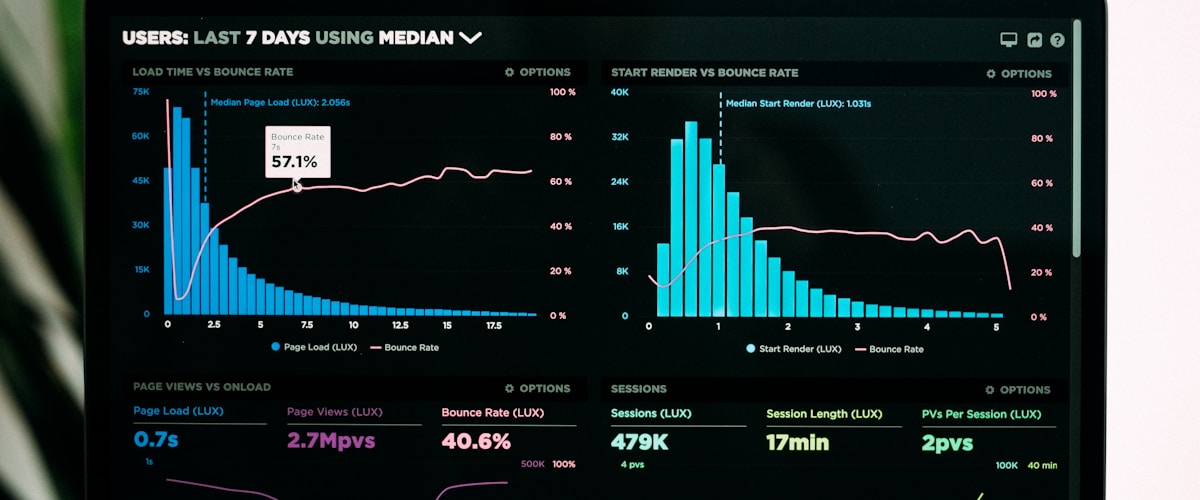
For all the new risks it introduces, AI is also one of the most powerful tools defenders have ever had:
The landscape will keep shifting. A few trends worth preparing for:
The intersection of cybersecurity and AI is not a problem to solve or an opportunity to seize—it is both, simultaneously. The organizations that thrive will be the ones that take the specific vulnerabilities of AI seriously and build comprehensive, forward-looking defenses around them.
The era of AI calls for a security posture that is just as intelligent, adaptive, and vigilant as the systems it protects. The challenge is real, but so are the rewards for getting it right.
Was this helpful?
Give it a zap to let me know.
Or share it with someone
New model by Google: Gemini 4 Argon that beat OpenAI Astra, Anthropic Fable 5.1, and Opus 5.5.
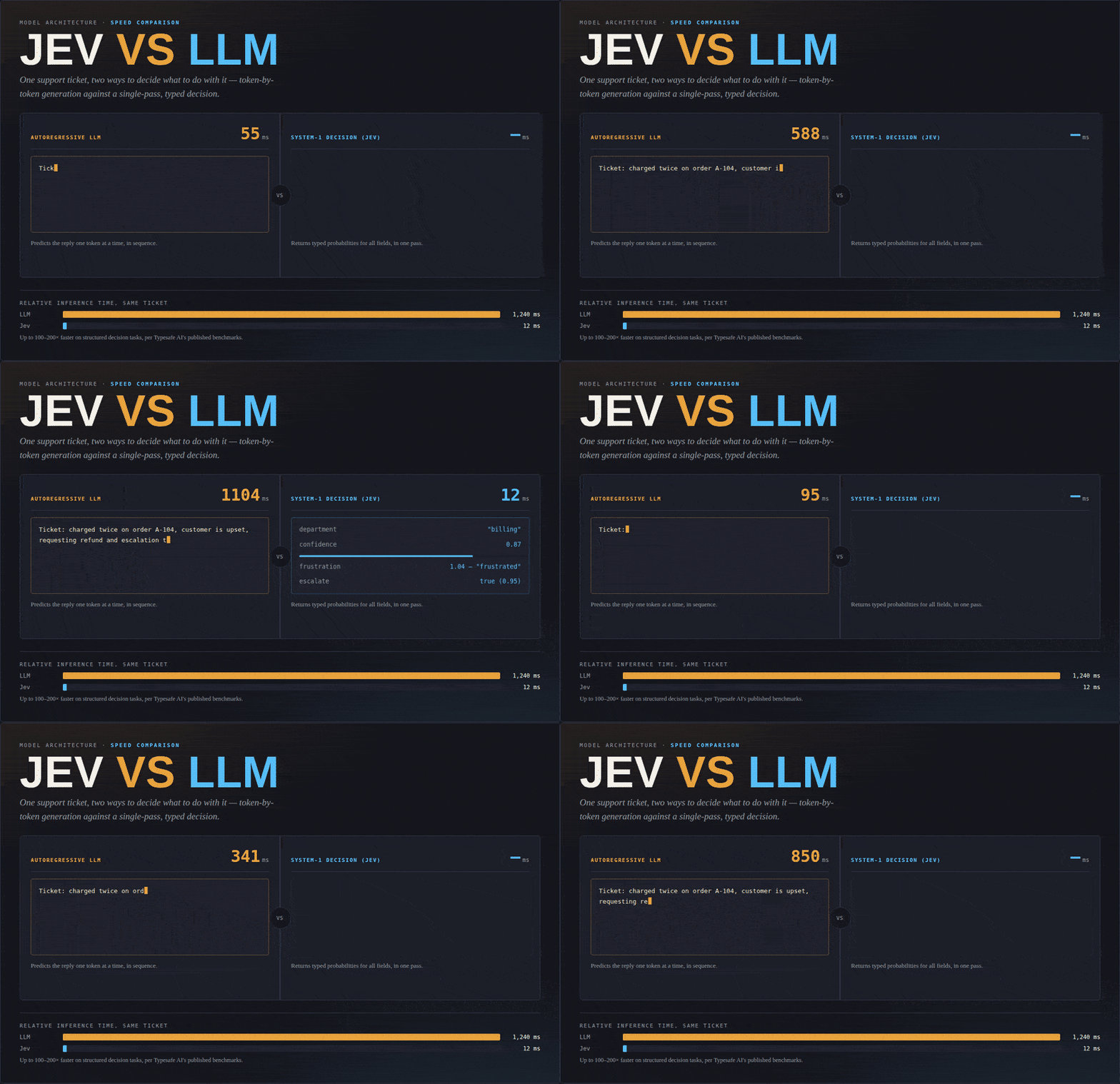
Why TypeSafe AI’s new “System One” model is fast, inexpensive and potentially important—and where its limitations begin.
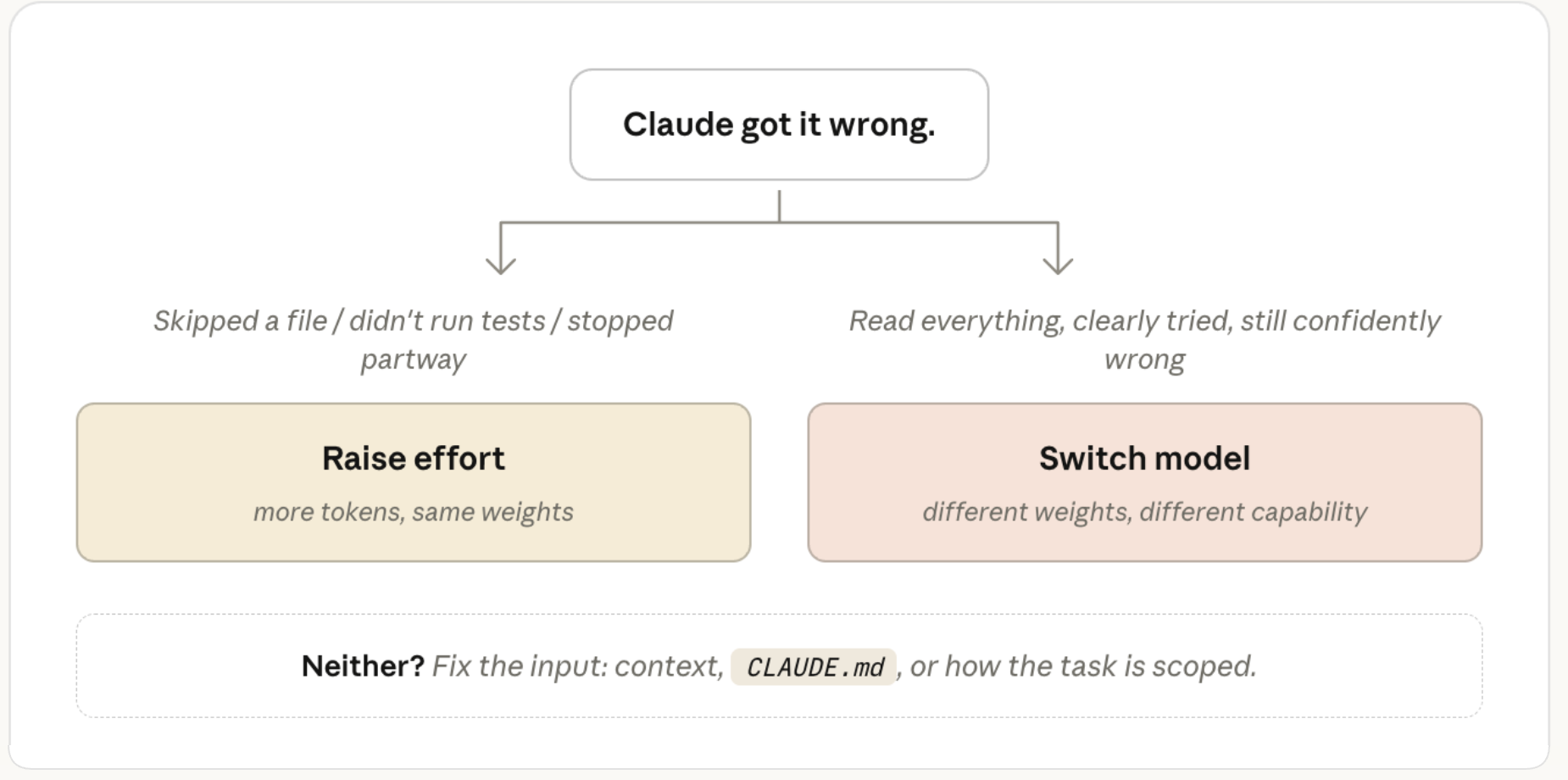
Model selection and effort level solve different problems. The model controls Claude’s underlying capability; the effort level controls how much work Claude does before responding.